What Would Happen If the Sun Suddenly Disappeared?
Imagine waking up to a world without sunlight. Earth would lose its warmth, plants would stop growing, ecosystems would begin collapsing, and humanity would face an extraordinary fight for survival.
Spaceflight, astronomy and the missions expanding what we know about the solar system.
7 articles tagged Space
Imagine waking up to a world without sunlight. Earth would lose its warmth, plants would stop growing, ecosystems would begin collapsing, and humanity would face an extraordinary fight for survival.
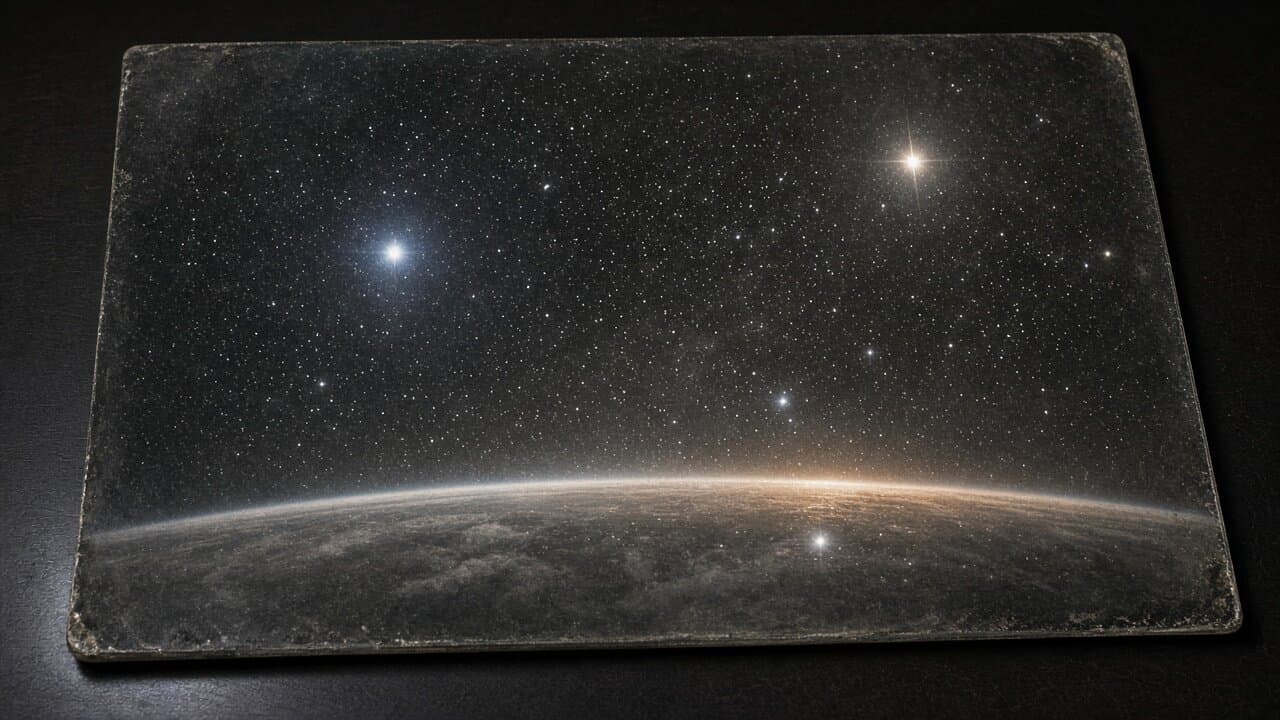
Before Sputnik launched humanity into the Space Age, astronomers were already photographing the night sky. Now researchers are studying mysterious points of light hidden in those old photographs. Could they be evidence of unknown objects—or simply artifacts hiding in the data?
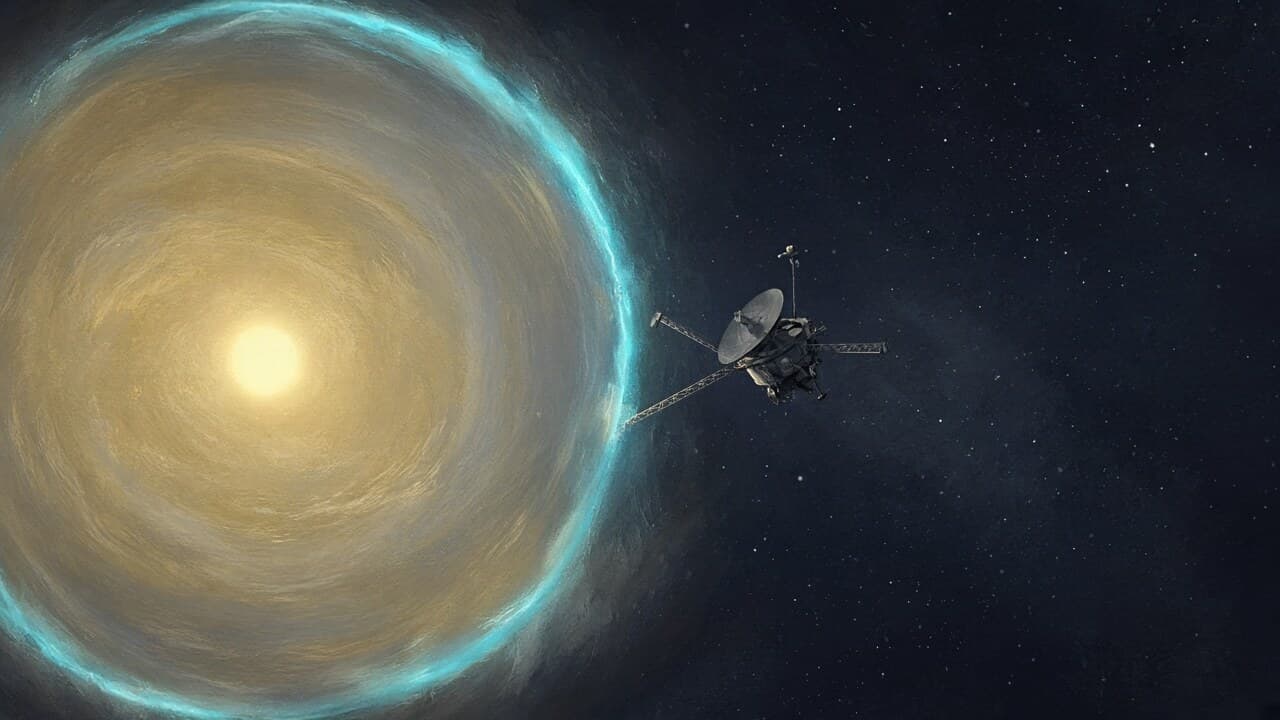
Voyager 2 spent more than 40 years traveling toward the edge of the Sun's influence. When it finally crossed into interstellar space, its instruments revealed a strange boundary, unexpected plasma conditions, and a transition far more complicated than a simple edge.
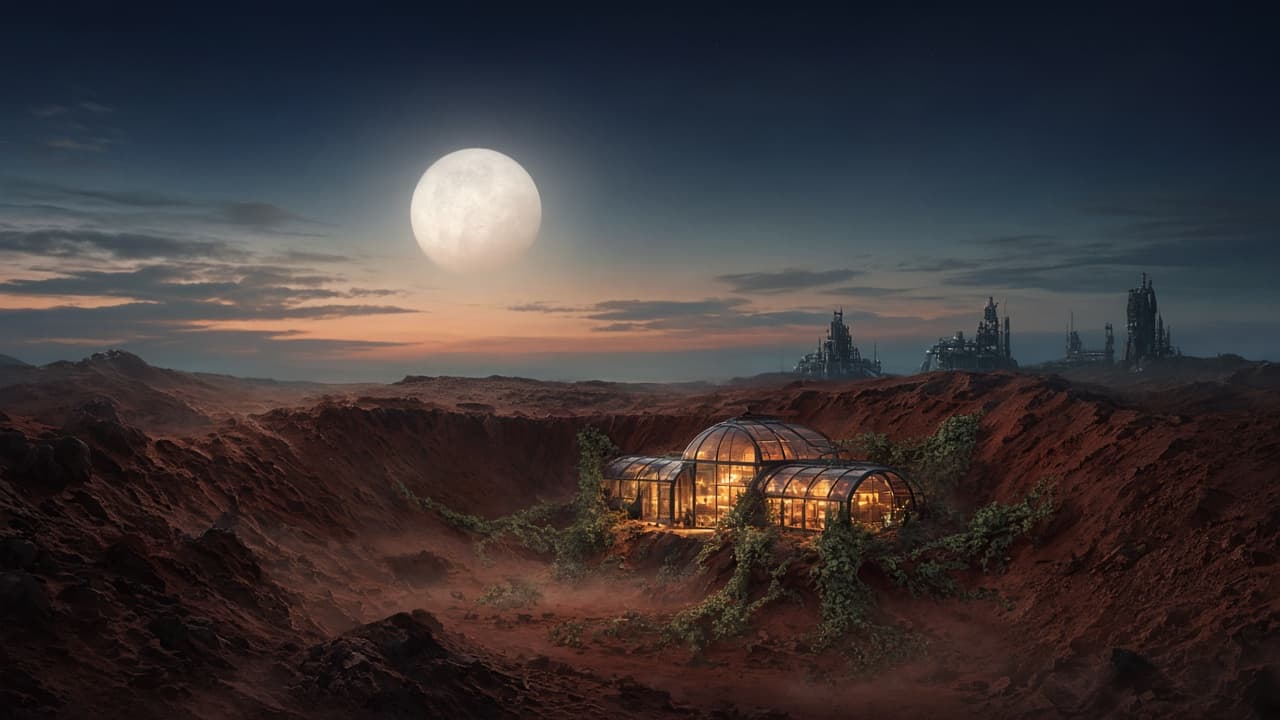
Science fiction has imagined civilizations creating life on other worlds. Explore synthetic biology, extremophiles, planetary protection and the possibility of deliberately creating ecosystems beyond Earth.
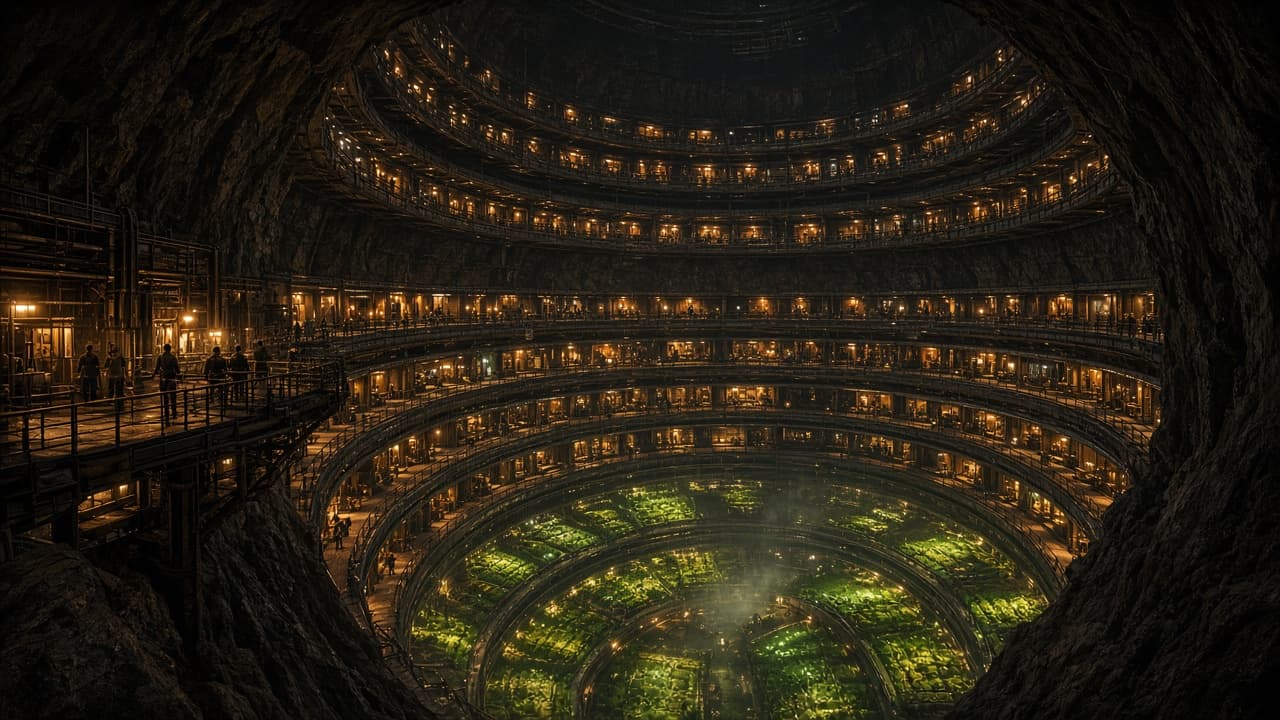
Apple TV+'s Silo imagines humanity surviving inside a vast underground structure. Real research into closed ecosystems, underground habitats and AI-controlled infrastructure is already exploring pieces of that idea.
HOPS-315 is giving astronomers a look at the moment when gas around a young star begins turning into the solid material that can eventually become planets.
Even a spacecraft at 20% of light speed would still face years of travel, deadly dust, and the chance that the nearest stars have nothing worth settling.