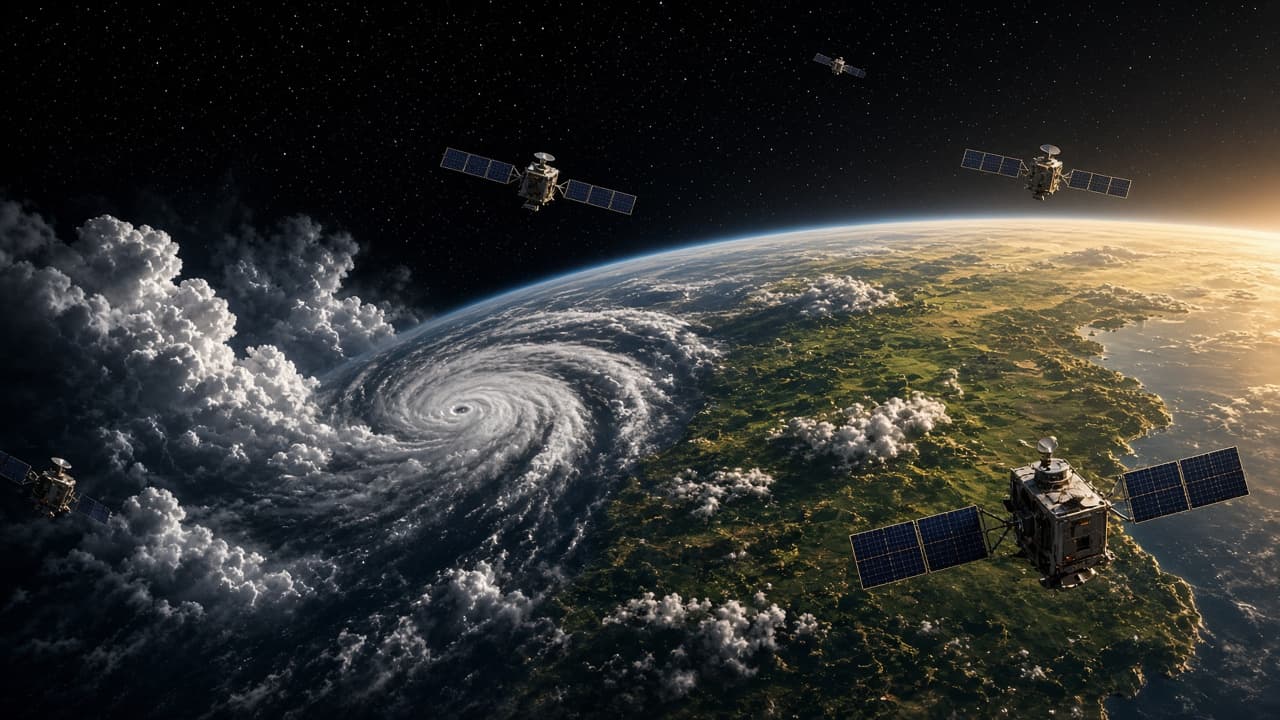
Imagine waking up in the middle of a scorching desert. Outside, temperatures are unbearable. The land is dry, rivers have disappeared, and communities are struggling to find water. But instead of accepting the weather, humanity activates a network of advanced satellites. Within hours, atmospheric systems begin responding to human commands. Clouds form, temperatures fall, and rain finally reaches the dry land.
Now imagine the opposite. A country is preparing for a major storm. Somewhere else, an unknown operator gains access to the world's weather-control network. A storm changes direction. Another region experiences an unexpected heatwave. Millions of people suddenly find themselves facing a disaster that nobody predicted.
This sounds like the storyline of the 2017 science-fiction movie Geostorm, where a global satellite network called Dutch Boy is designed to control Earth's weather. But the movie raises a genuinely interesting scientific question: could humans ever gain the ability to influence the weather on a planetary scale?
Could we cool overheated deserts, encourage rainfall during droughts, reduce extreme temperatures or protect cities from destructive weather? And if we ever develop such technology, could hackers or powerful governments turn it into a weapon?
The short answer is: partially, under specific conditions, but nowhere near the level shown in Geostorm.
Weather is an incredibly complex system involving the atmosphere, oceans, sunlight, pressure, temperature, humidity and the movement of air. These elements interact continuously, creating everything from gentle rainfall to enormous tropical cyclones.
A fully developed hurricane contains an extraordinary amount of energy. It is not something that can simply be switched off with a satellite signal. Humanity currently lacks the technology to create, destroy, steer or control hurricanes.
However, scientists have developed techniques that can influence certain atmospheric processes. The most established example is cloud seeding.
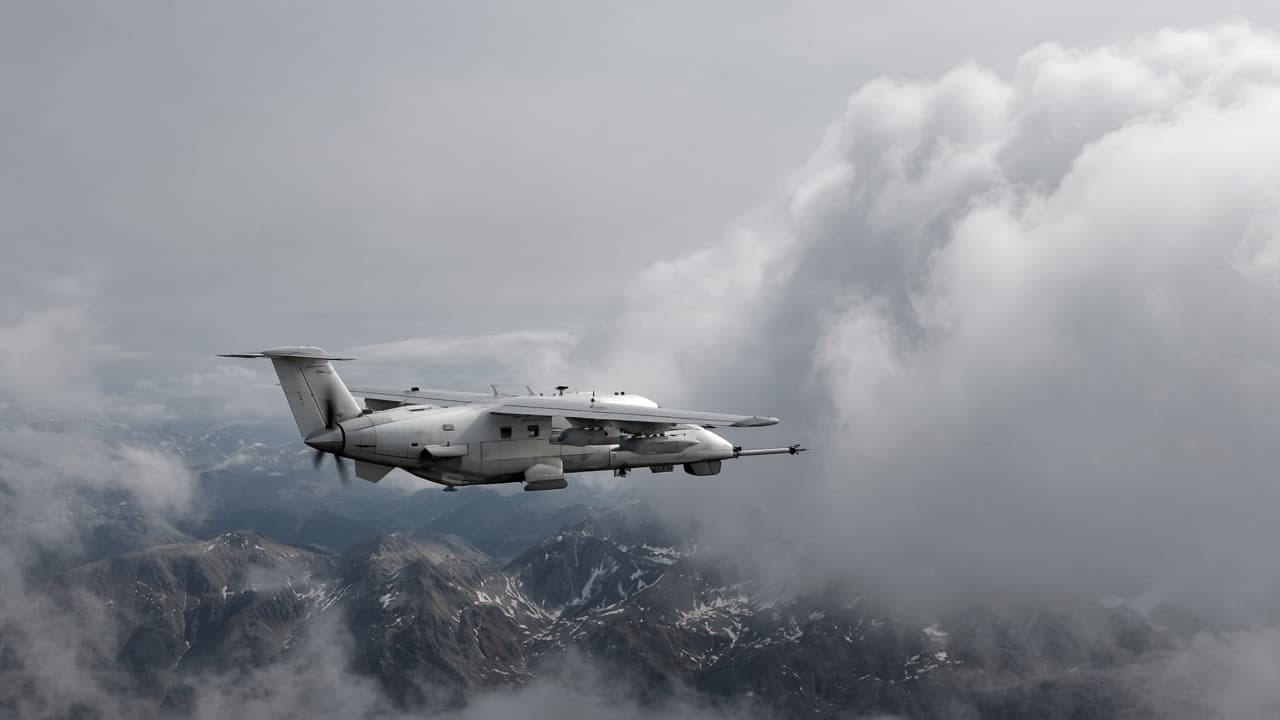
Cloud seeding is a weather-modification technique in which tiny particles, commonly silver iodide, are introduced into suitable clouds. These particles can help ice crystals form under the right atmospheric conditions, potentially increasing precipitation.
It is not a machine that creates clouds from nothing. It cannot guarantee rainfall whenever people need it. There must already be suitable clouds and atmospheric conditions.
The World Meteorological Organization has reported scientific progress in a specific form of wintertime cloud seeding involving mountain clouds. However, results vary by conditions and technique. The US Government Accountability Office has also highlighted limitations in measuring effectiveness, unpredictable cloud conditions and uncertainty surrounding wider environmental impacts.
This is an important distinction: scientists can sometimes influence the probability of precipitation, but they cannot command the atmosphere to rain wherever they choose.
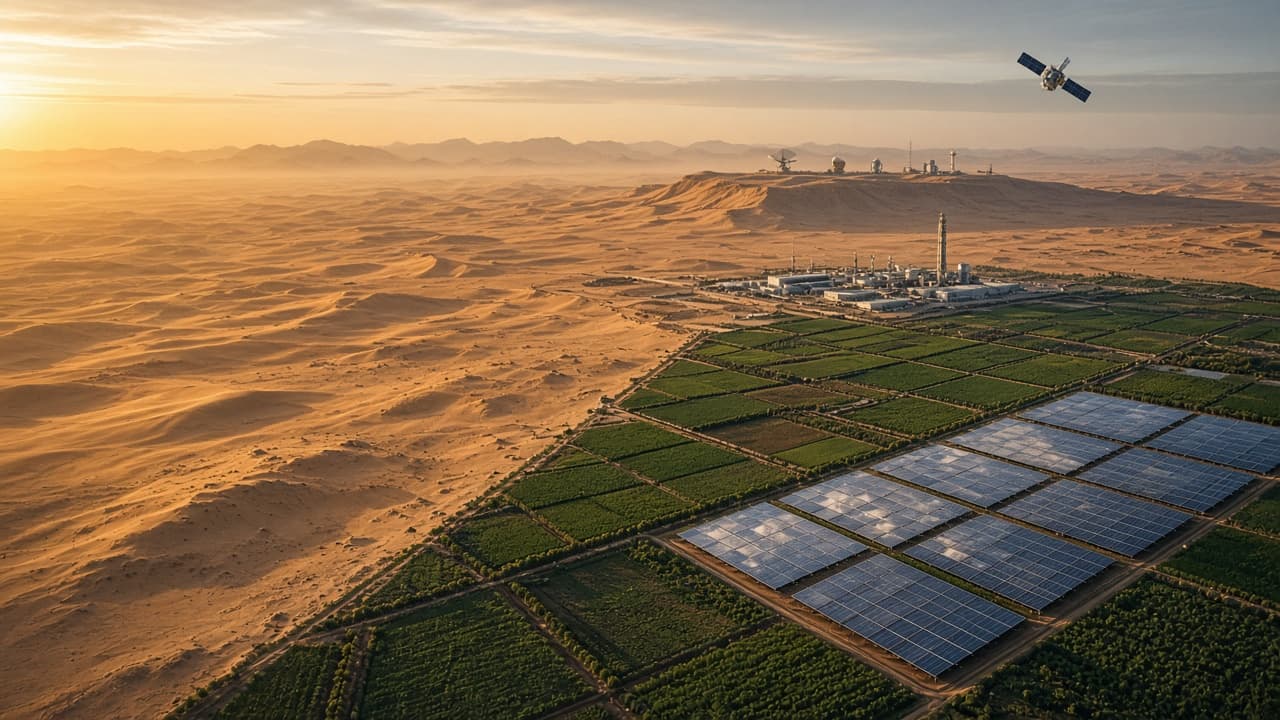
Now let's explore one of the most fascinating possibilities. What if technology could help reduce extreme heat in some of the hottest regions on Earth?
Imagine a future where communities in extremely hot regions could benefit from more comfortable local environments, reduced heat exposure and better-managed water resources.
There are scientific ideas that explore how sunlight and heat could be managed. But cooling an entire desert through satellites is not something current science can do.
One proposed field of climate research is called Solar Radiation Modification, or solar geoengineering. Its basic idea is to reflect a small fraction of incoming sunlight back into space, reducing the amount of solar energy absorbed by Earth.
One widely discussed proposal is stratospheric aerosol injection. In theory, reflective particles could be introduced into the stratosphere to scatter some sunlight. Scientists study this partly because major volcanic eruptions have demonstrated that particles released high into the atmosphere can temporarily influence global temperatures.
Another proposal, marine cloud brightening, explores whether increasing the reflectivity of certain low marine clouds could reduce the amount of sunlight reaching the ocean surface.
These are research proposals, not proven methods for cooling a particular desert or controlling regional weather. Their effects, especially at large scales, remain uncertain.
And there is a crucial problem: Earth's atmosphere does not respect political borders. Changing how much sunlight a region receives could influence temperature patterns, rainfall and atmospheric circulation elsewhere.
If future research made weather modification safer, more predictable and scientifically reliable, its applications could be significant. These are potential benefits, not capabilities that humanity currently possesses.
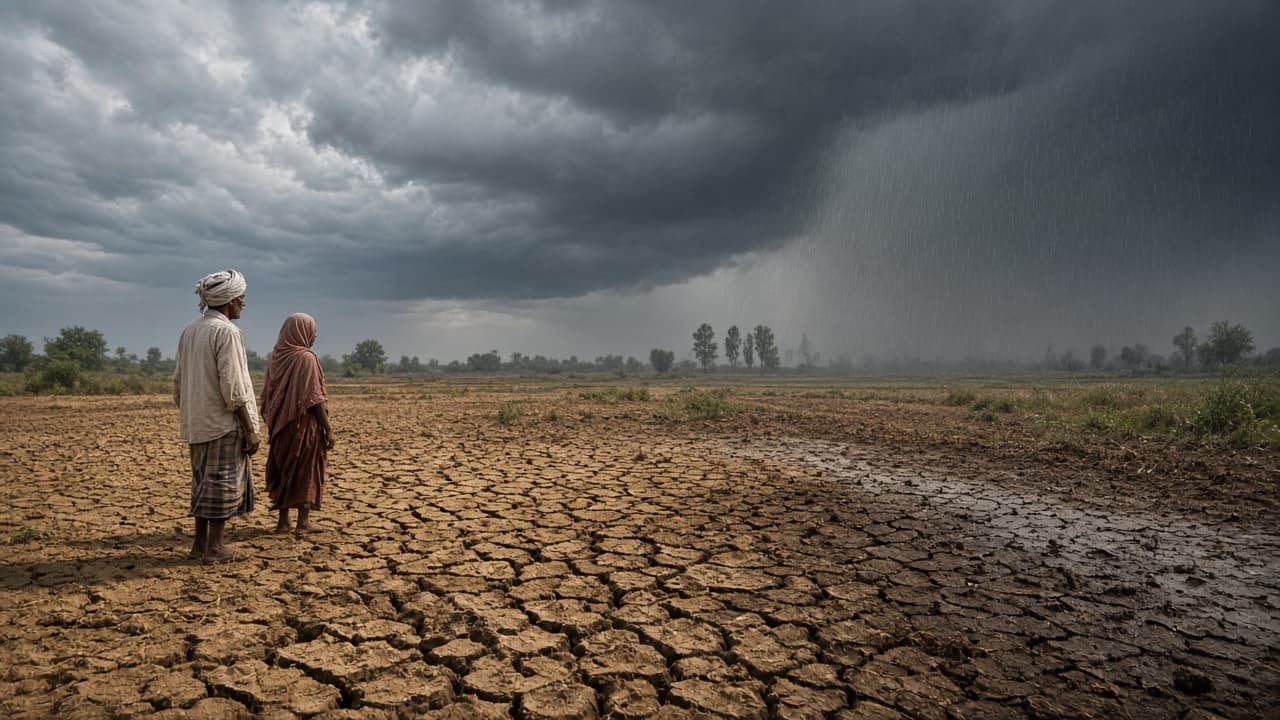
Water scarcity affects agriculture, communities and entire economies. If cloud seeding could reliably increase precipitation in suitable cloud systems, it might help some regions improve water availability.
For example, carefully evaluated projects could potentially help increase mountain snowpack, which later melts and contributes to reservoirs and water supplies.
But cloud seeding cannot manufacture moisture from an empty sky. It is not a replacement for groundwater management, water conservation, reservoirs or better irrigation.
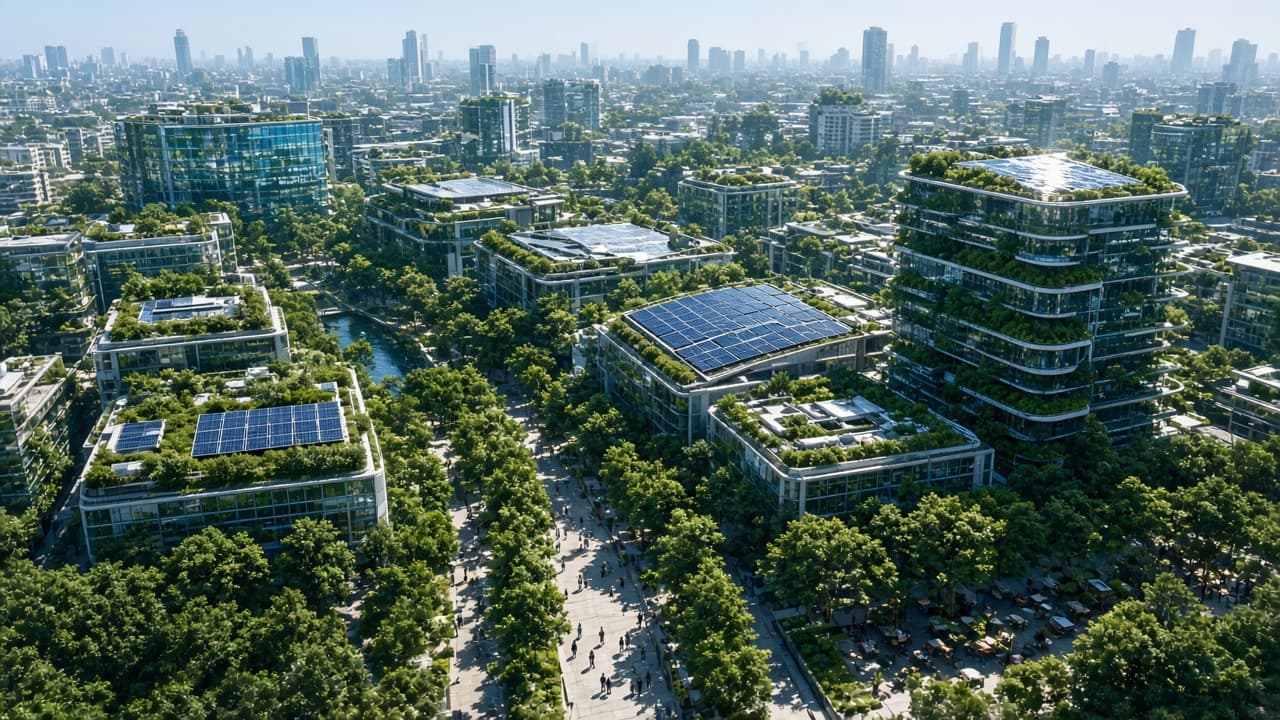
Cities can become significantly hotter than surrounding rural areas because buildings, roads and other surfaces absorb and retain heat. This is known as the urban heat island effect.
We do not need futuristic weather satellites to start addressing this problem. Reflective roofs, urban trees, parks, shaded streets and better building materials can already help reduce heat exposure.
Future atmospheric technologies might complement these measures, but there is currently no reliable way to use satellites to lower the temperature of an entire city on demand.
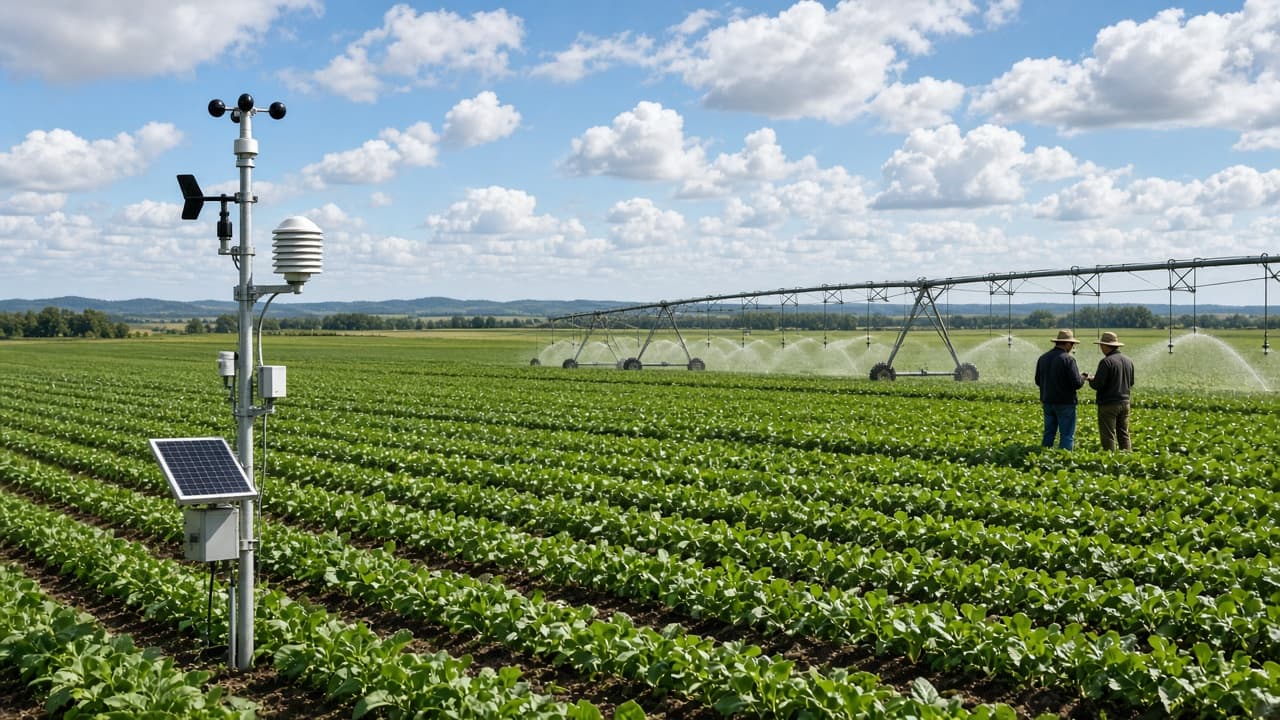
Agriculture depends heavily on predictable rainfall and temperature. Extended droughts, excessive heat, frost and hail can damage crops and threaten food supplies.
Better satellite observations and AI-powered forecasting can already help farmers understand changing weather conditions and make smarter decisions about planting, irrigation and harvesting.
In the future, carefully tested local weather-modification techniques might provide additional support in certain situations. However, the ability to prevent all crop losses through weather control remains far beyond current capabilities.
Imagine knowing days in advance that a dangerous storm is likely to affect a particular region. Emergency teams could prepare shelters, move essential equipment and protect vulnerable communities.
This is where satellites, supercomputers and artificial intelligence are already making a real difference. They improve observations, forecasting models and early-warning systems.
Perhaps the greatest near-term opportunity is not controlling dangerous storms, but predicting them early enough to save lives.
A more advanced global monitoring system could help scientists understand atmospheric moisture, ocean temperatures, rainfall patterns and changes in cloud behaviour.
Better knowledge of these systems could improve water planning, agricultural decisions and climate adaptation. It would also help researchers evaluate whether proposed climate interventions are safe or dangerously unpredictable.
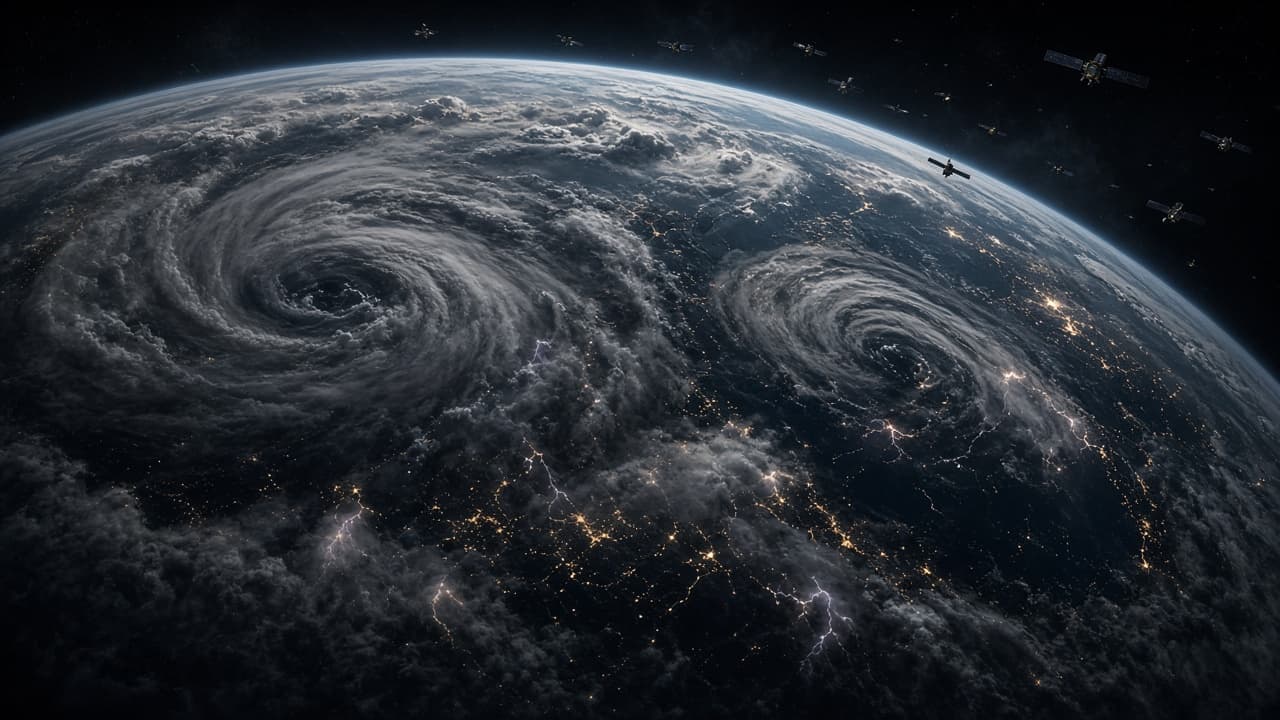
Every powerful technology introduces new risks. But a technology that could influence environmental conditions across borders would create a particularly difficult challenge: its consequences might affect millions of people who never agreed to use it.
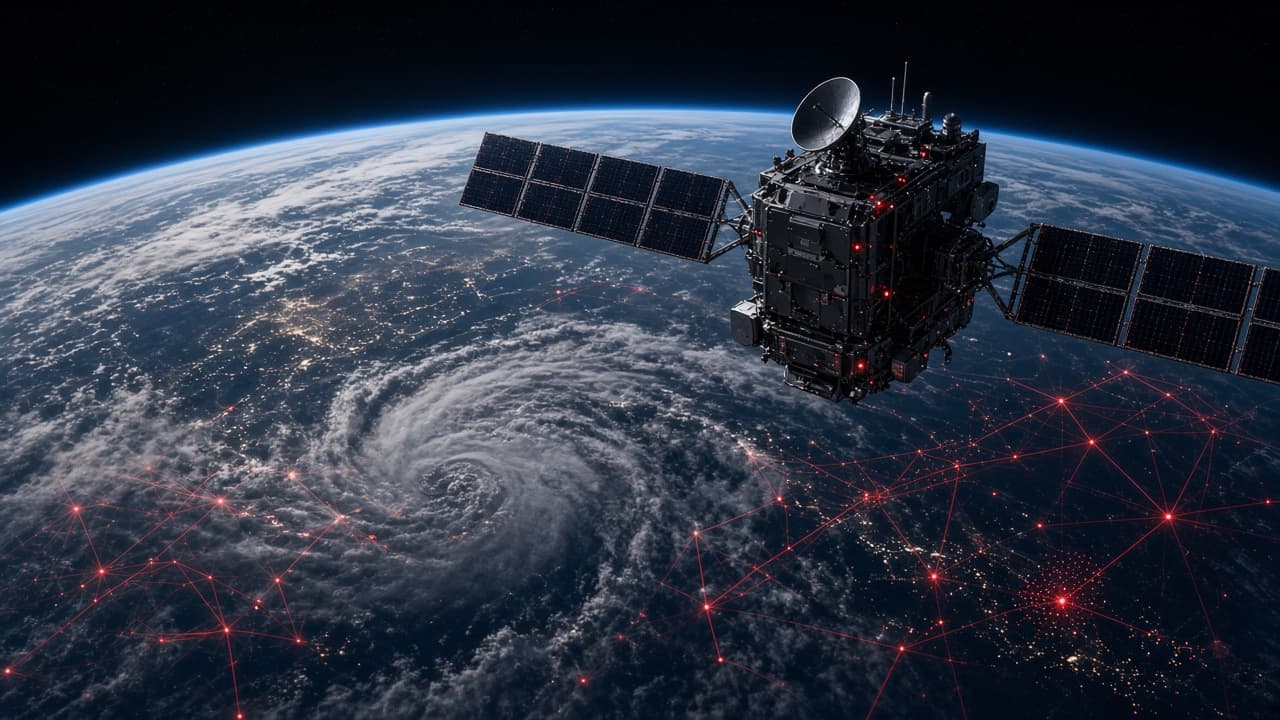
This is perhaps the most frightening idea inspired by Geostorm.
Imagine a future where governments rely on interconnected satellites, atmospheric sensors, AI models and automated systems to operate climate interventions. What if a hacker gained access to the control infrastructure?
A realistic cyberattack would not magically give someone the ability to create a hurricane. That technology does not exist. But an attack on real or future environmental infrastructure could still have serious consequences.
- Manipulated sensor readings could cause decision-makers to misunderstand environmental conditions.
- Compromised forecasting systems could produce misleading warnings or delay emergency responses.
- Unauthorized access to future intervention systems could cause unintended releases or operational failures.
- Disrupted satellite communications could affect weather monitoring, navigation and disaster coordination.
- False weather information could create panic, economic disruption and mistrust between countries.
These are cybersecurity scenarios that would need to be evaluated as such. They are not evidence that today's satellites can be hacked to control storms.
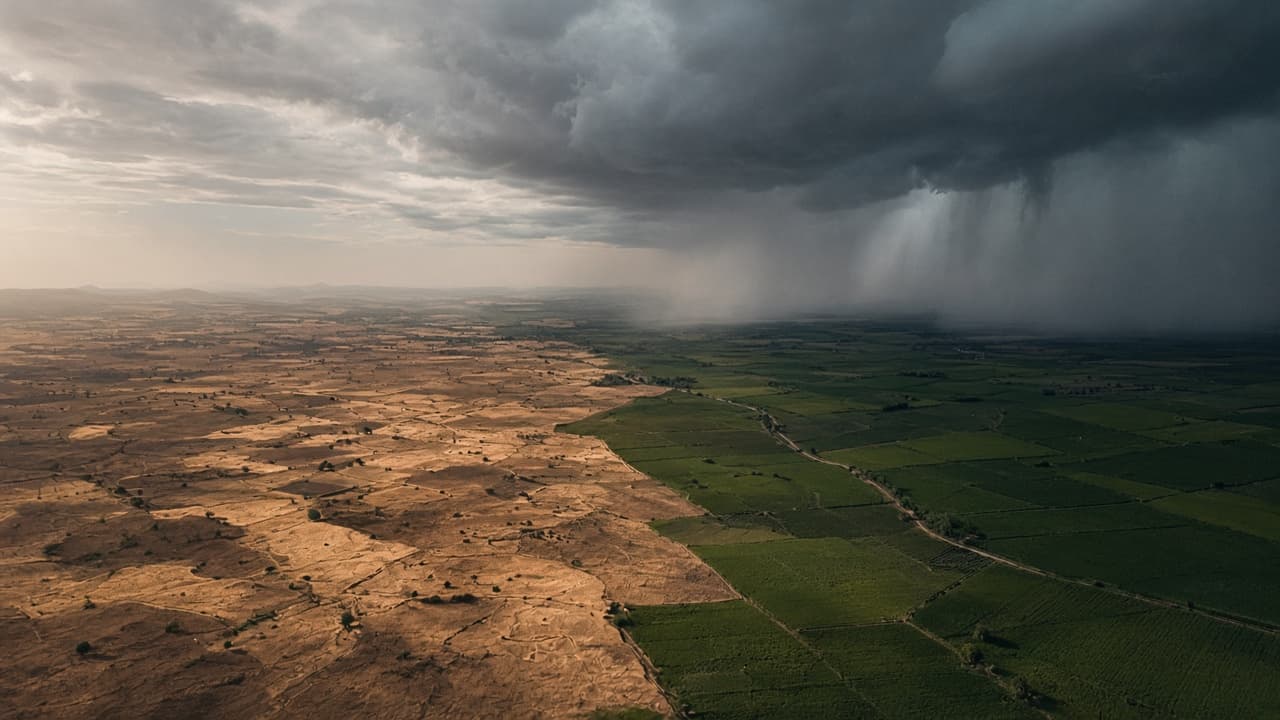
Weather does not follow national borders. The atmosphere is a connected system, and air masses can travel across countries and continents.
This creates an important ethical question for any future weather-modification technology: if an intervention benefits one region, could it unintentionally disadvantage another?
For example, if a country attempted to increase rainfall in a particular region, neighbouring countries might question whether the intervention changed precipitation patterns elsewhere. Establishing a direct cause would be scientifically difficult, especially because rainfall naturally varies.
This possibility raises concerns about international cooperation, environmental monitoring and responsibility for unintended effects. It does not mean that cloud seeding has been shown to steal rain from neighbouring countries.
The atmosphere is interconnected. Changing one part of the climate system could produce consequences that are difficult to predict elsewhere.
For example, large-scale solar radiation modification could lower average global temperatures while changing regional rainfall patterns. Some regions might experience different levels of cooling or changes in seasonal precipitation.
The United Nations has highlighted potential risks including uneven cooling, changes in climate variability, atmospheric disruption and possible impacts on the ozone layer. Solar geoengineering also does not remove greenhouse gases from the atmosphere or solve ocean acidification.
In other words, making the planet cooler on average would not necessarily make every region safer or more comfortable.
Imagine that a powerful country develops a technology that can temporarily influence regional temperatures or precipitation. Who decides when it can be used?
Would a country be allowed to intervene without consulting its neighbours? Who would be responsible if the intervention caused unexpected environmental damage? Could wealthy nations influence the climate in ways that benefit their own economies while vulnerable communities carry the risks?
These are not merely technical questions. They involve international law, environmental justice, national security and global governance.
Even if a future technology became scientifically possible, deciding who controls it could be harder than building it.
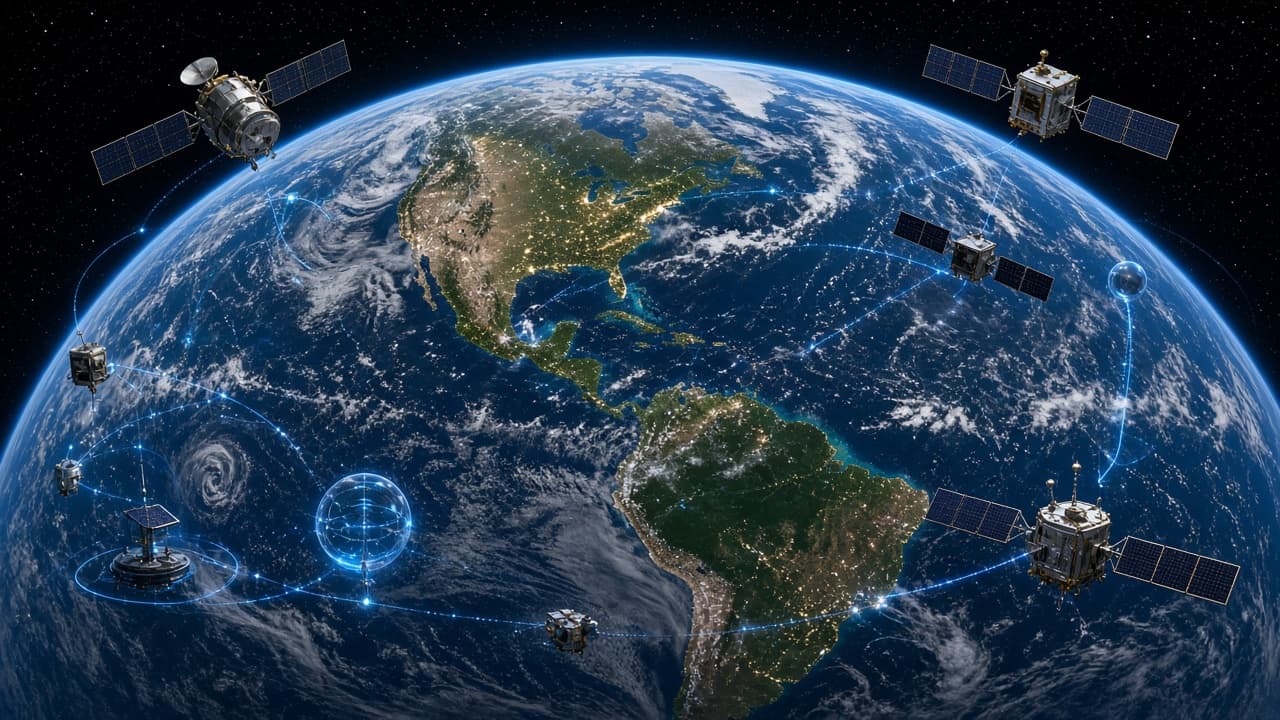
The Geostorm concept imagines satellites that can directly manipulate atmospheric conditions. Real-world research is much more complicated.
A hypothetical future weather-intervention system would need several different technologies working together. Satellites would primarily observe and measure the Earth system, while other technologies would perform any proposed intervention.
The pieces a real intervention system would need
Advanced satellites
Monitor clouds, atmospheric temperature, humidity, ocean conditions, wind patterns and precipitation.
Artificial intelligence
Analyse enormous volumes of observations, identify patterns and improve predictions. AI would not automatically make weather controllable.
Atmospheric research systems
Study cloud formation, aerosols, precipitation and the physical processes that influence weather.
High-performance computing
Run complex simulations to estimate the possible consequences of interventions before any real-world testing.
Cybersecurity and independent oversight
Protect critical systems, verify data, prevent unauthorized access and make operations transparent and accountable.
The biggest challenge would not simply be collecting more data. It would be understanding how a complex atmosphere responds to deliberate changes, and proving that those changes are safe.
Yes. Weather modification is not entirely science fiction. Cloud seeding has been practised for decades, and several countries have conducted research or operational programmes.
One historical example is Project Stormfury, a US government research programme that investigated whether seeding hurricanes with silver iodide could weaken them. The experiments did not establish a successful method of hurricane modification. Scientists later recognised that the observed changes could be explained by natural hurricane behaviour.
The US National Oceanic and Atmospheric Administration has stated that no technology exists to create, destroy, strengthen or steer hurricanes. This is a useful reminder of the enormous gap between weather observation, limited weather modification and science-fiction-style weather control.
Meanwhile, research into solar geoengineering continues to attract scientific and political attention. It explores possible ways to reduce the amount of sunlight absorbed by Earth, but large-scale deployment remains highly controversial and carries substantial uncertainty.
| Potential benefits | Potential risks |
|---|---|
| Could help increase precipitation in suitable clouds | Effectiveness is limited and depends on atmospheric conditions |
| Could support water planning in drought-prone regions | Regional interventions may create cross-border disputes |
| Could contribute to research into reducing extreme heat | Cooling may be uneven and affect regional climate patterns |
| Could improve understanding of dangerous weather | Manipulated or disrupted forecasts could endanger communities |
| Could support agriculture and climate adaptation | Environmental consequences may be difficult to predict |
| Could inspire better global environmental monitoring | Future intervention infrastructure could become a cybersecurity target |
The benefits are worth investigating, but they should not be confused with guaranteed outcomes. The risks are also not proof that these technologies will inevitably cause disasters. Both require careful scientific evaluation.
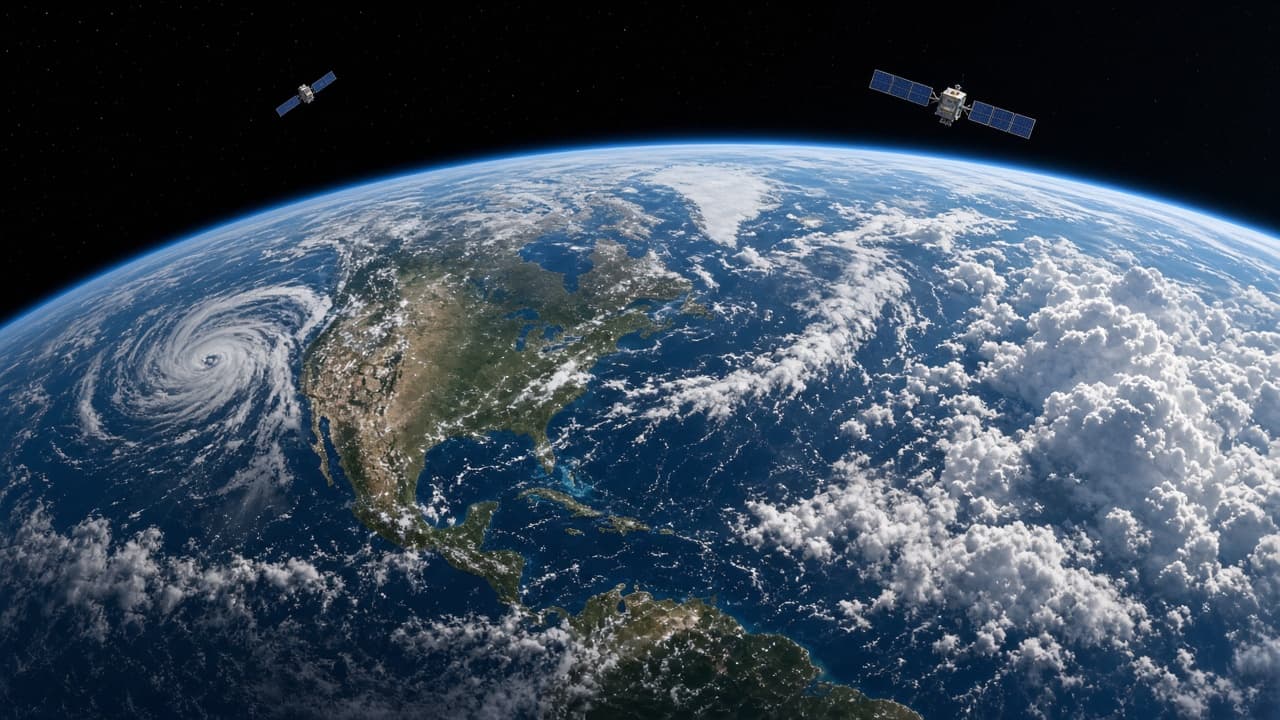
A real-life Geostorm system that can control storms, freeze cities or redirect hurricanes is not a realistic capability with today's science.
But the broader idea of humanity influencing aspects of the Earth's environment is already part of scientific research. Cloud seeding demonstrates that certain cloud processes can sometimes be influenced. Solar geoengineering research explores possible ways of reducing the sunlight absorbed by the planet. Satellites and AI are rapidly improving our ability to observe and predict the atmosphere.
The future may therefore bring more sophisticated environmental interventions, but it will also demand stronger scientific evidence, international cooperation, transparency and cybersecurity.
Perhaps the most important question is not whether humanity will eventually learn to influence the weather. It is whether we will understand the consequences well enough to use that power responsibly.
After all, the atmosphere belongs to everyone. No single country, company or individual should be able to make decisions about Earth's climate without considering the rest of the world.